
Let’s talk about Child Marriage in Africa
Why is this happening? Who does this happen to? Is it common? And how is it related to girls’ education?
Child Marriage and School Dropout
Child marriage remains one of the most significant barriers keeping girls in Sub-Saharan Africa from completing their education. Across the continent, millions of girls are married before the age of 18 and more than one in three young women in Africa were married as children. Marriage often ends their education.
Why Child Marriage Happens
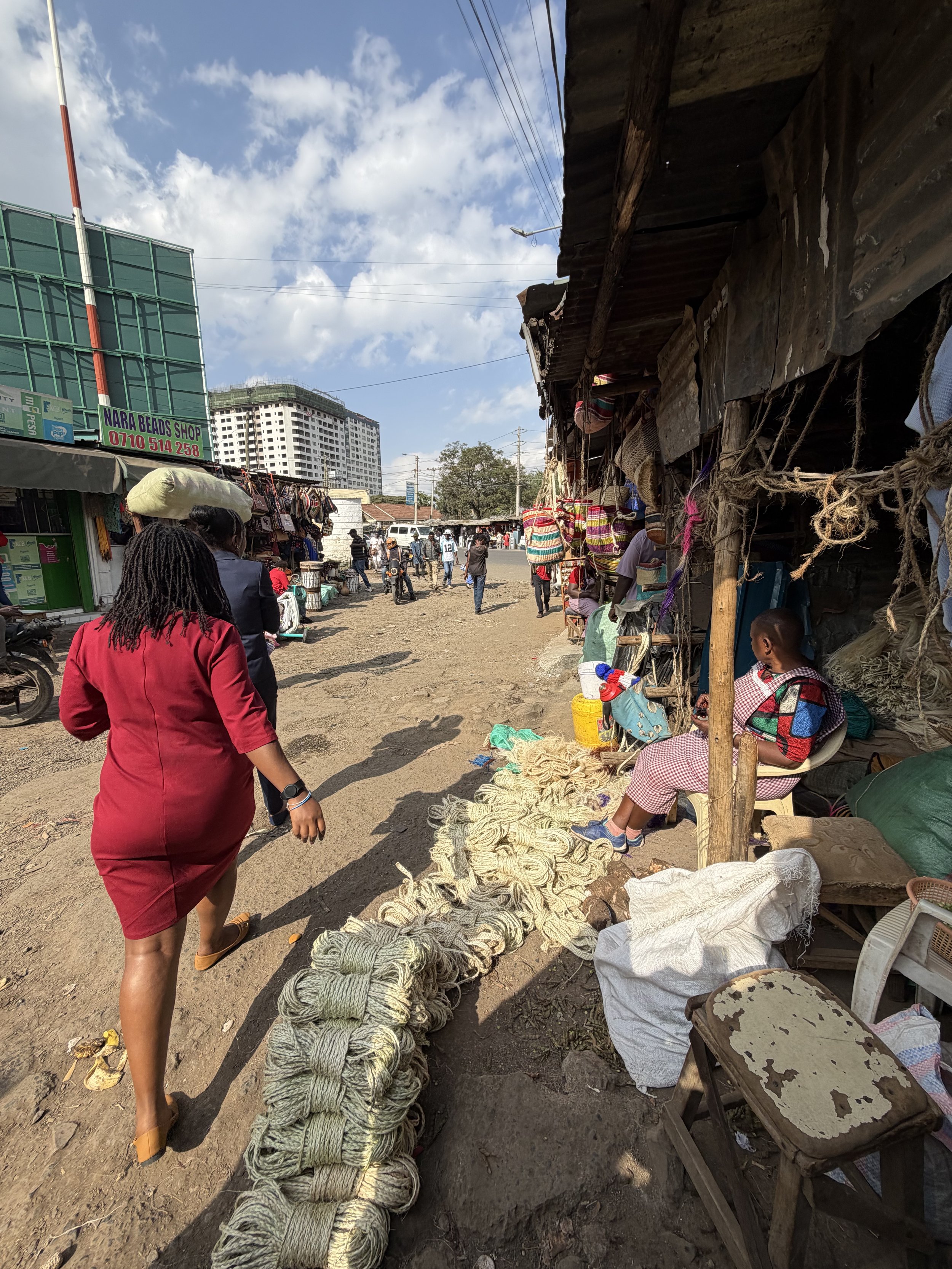
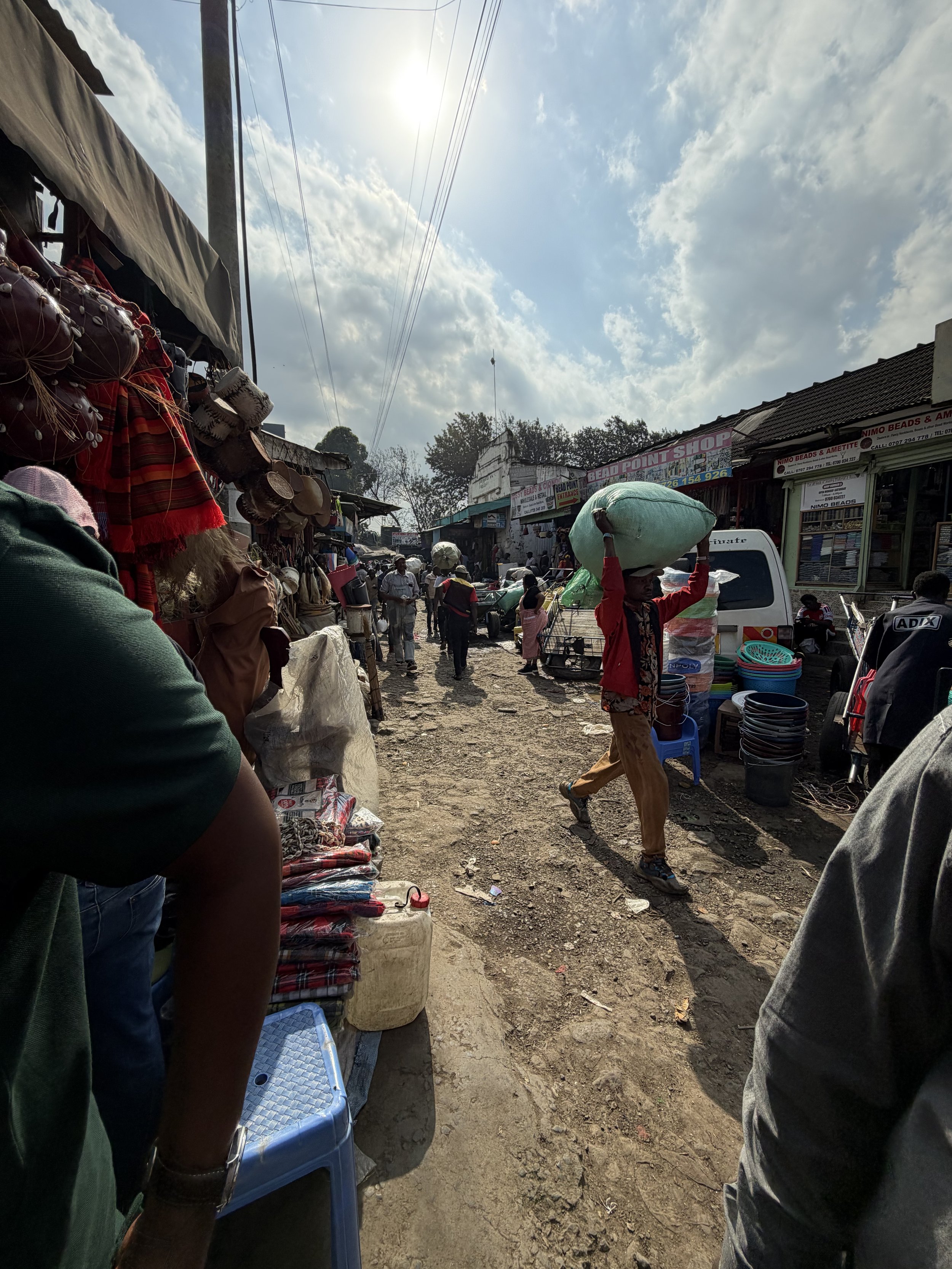
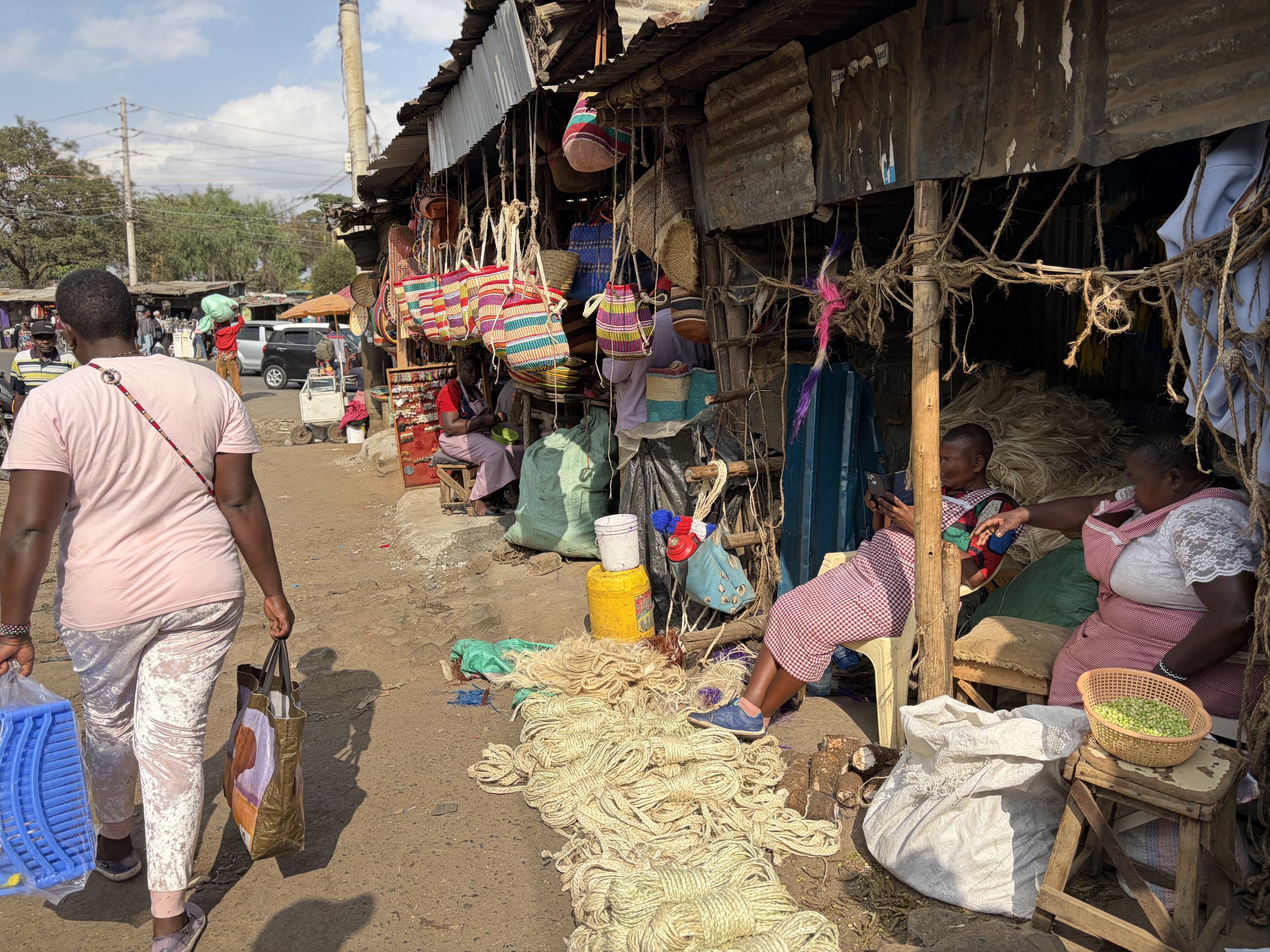
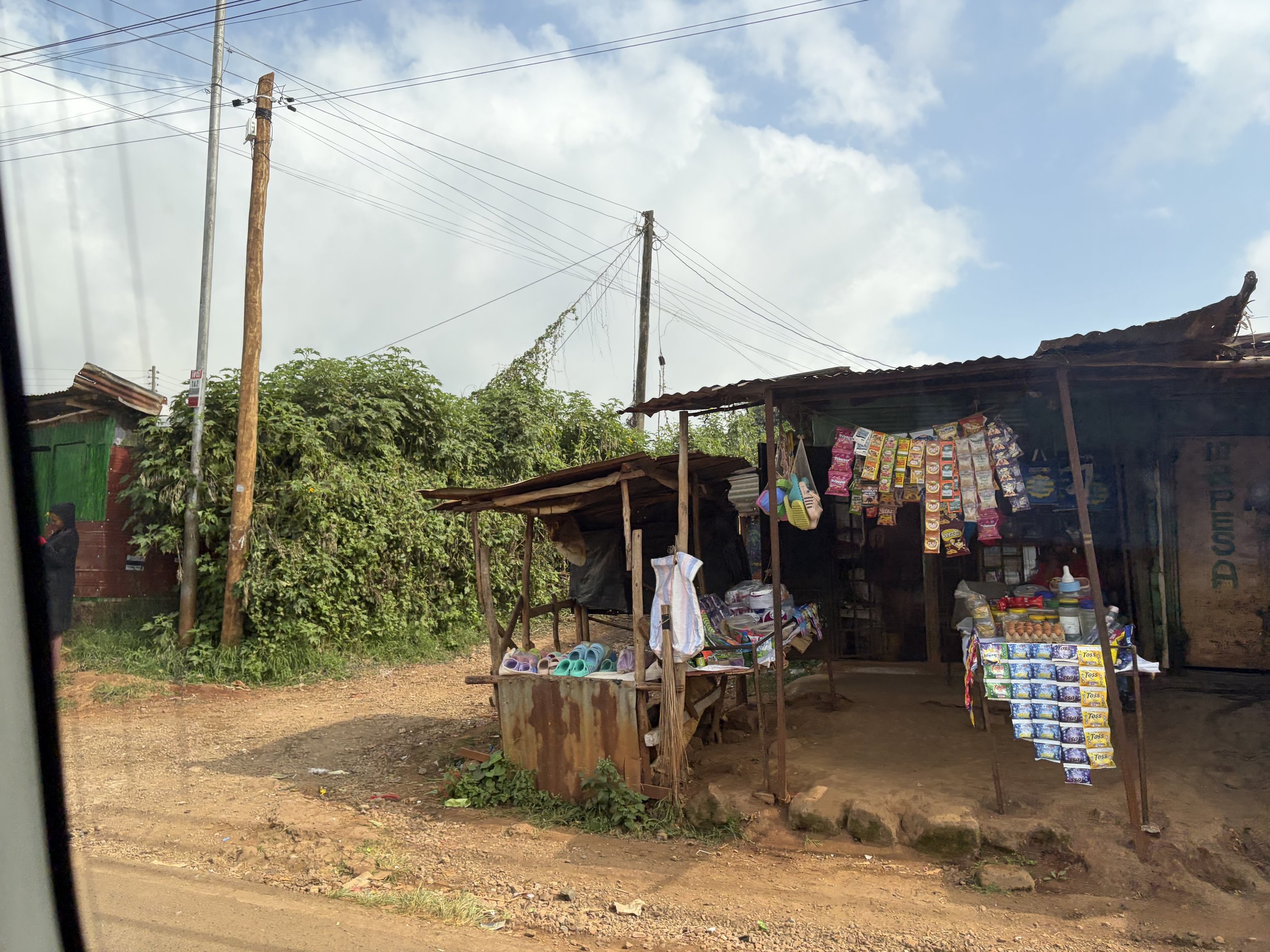
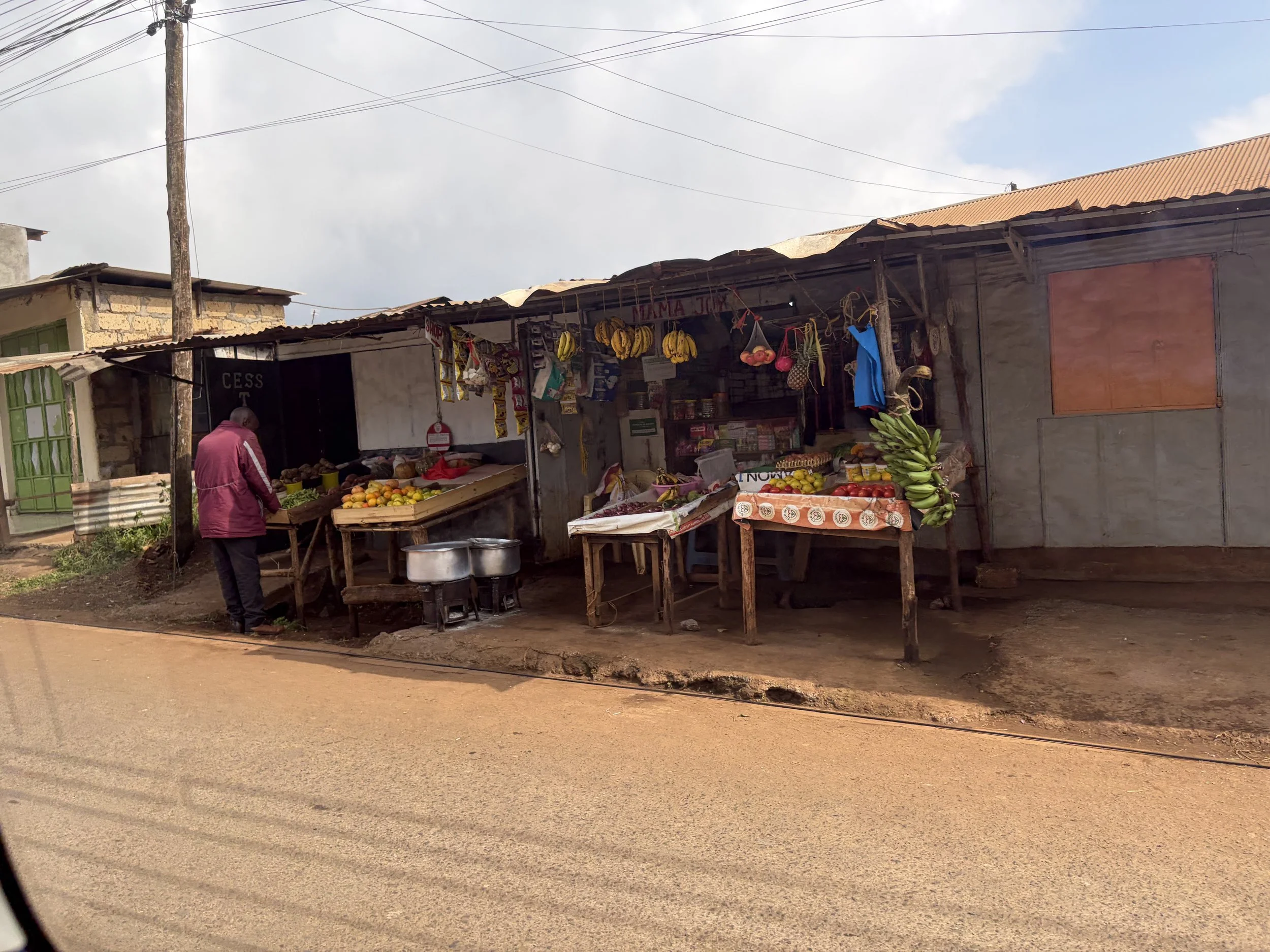
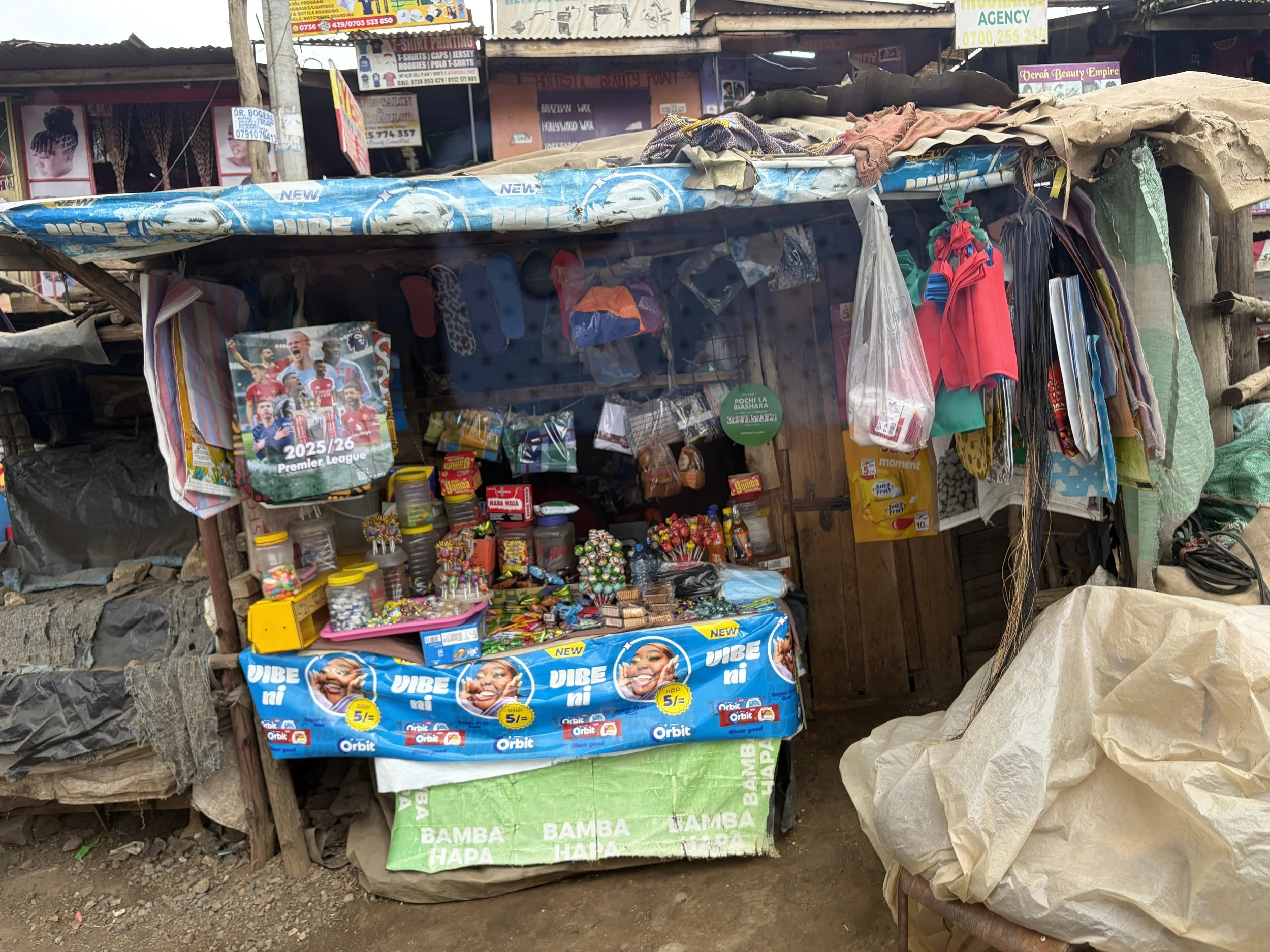
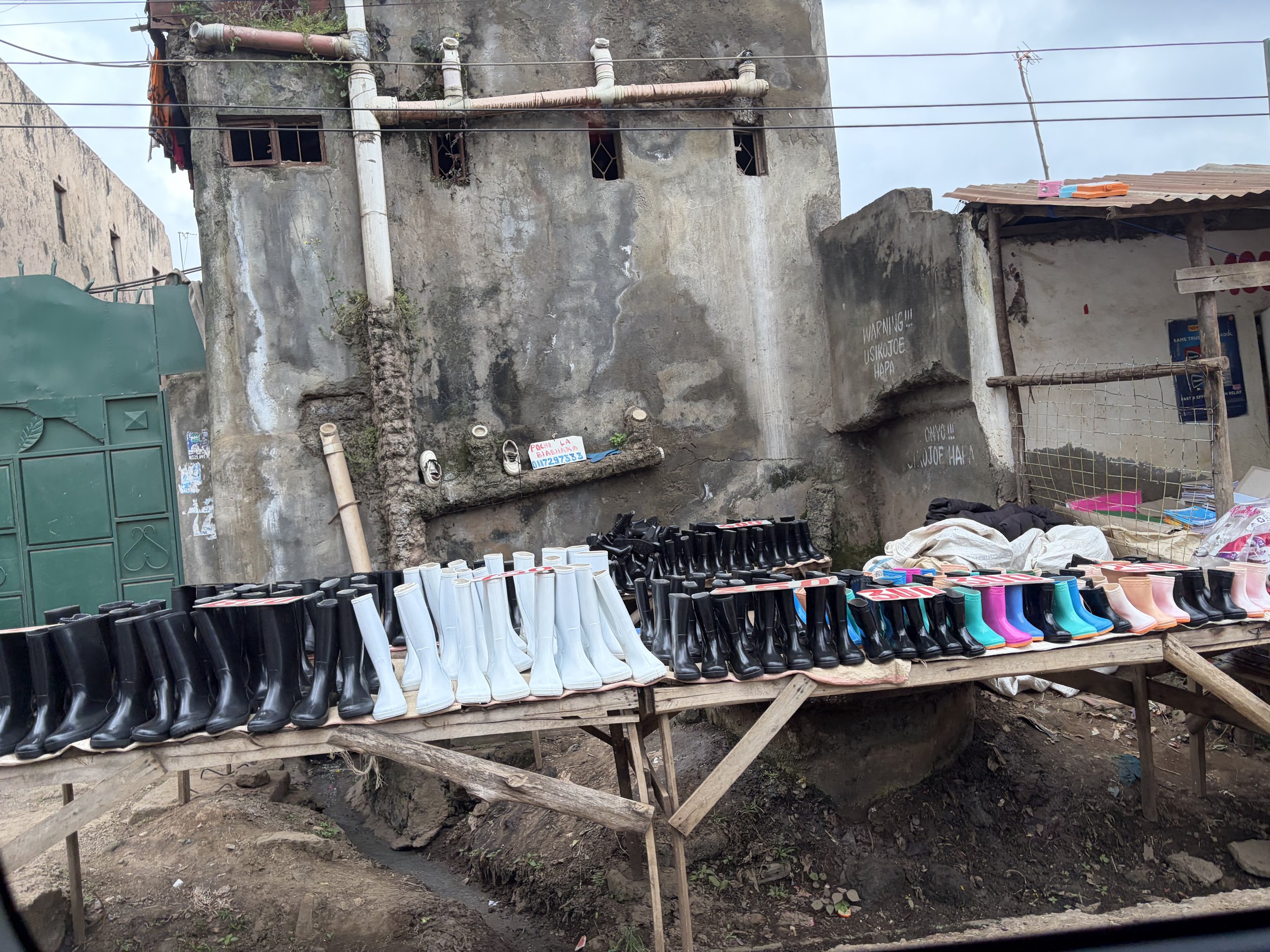
Child marriage is rooted in poverty, cultural norms, and gender inequality. Families facing severe poverty see marriage as a way to reduce financial pressure. When food, daily necessities, or school fees become too difficult to afford, marrying off a daughter can be seen as a way to survive. Cultural norms also play a powerful role. In some communities, girls are expected to marry young as a sign of obedience or family honor. Whereas boys are often encouraged to stay in school to prepare for their future careers or responsibilities. This imbalance reinforces harmful gender expectations that limit girls’ opportunities. For orphaned or refugee girls, the risk is even higher. Without stable family protection, consistent income, or access to education, early marriage is seen as a way to stay safe, even if it limits their future prospects. Without education, they become part of a society where many are seeking a living on the streets, selling whatever they can, generation after generation.




Long-Term Effects of Dropping Out
The effects of school dropout affect all the way into a girl’s adult life. Without an education, she faces limited economic opportunities and becomes more reliant on her spouse. Early pregnancies also carry increased health risks, leading to complications. As a result, the cycle of poverty continues, not just affecting one girl, but her future children. Studies show that when girls stay in school, they earn higher incomes, marry later, and raise healthier families. Educated women invest more in their children’s schooling, strengthening entire communities over time. Child marriage interrupts this chain.
What Works to Keep Girls in School
Stopping child marriage requires a combination of community and family solutions. One of the most effective strategies is teaching families about the benefits of girls’ education. When parents understand the long-term benefits, higher income, safer families, healthier communities, they are more likely to support their daughters to stay in school. Providing a financial help also makes a powerful difference. Scholarships, uniforms, textbooks, and hygiene products all reduce financial pressure. Engaging girls directly through mentorship programs, girls’ clubs, leadership trainings, and peer support empowers them to speak up for their education and future.
How AGHF Is Making a Difference
At the African Girls Hope Foundation (AGHF), we believe every girl deserves the chance to learn, grow, and shape her own future. Our work focuses on supporting orphaned and refugee girls, those most at risk of early marriage and school dropout. Through scholarships, school supplies, community partnerships, and mentorship programs, AGHF helps keep girls in classrooms where they belong. We work with families, guardians, and community leaders to challenge harmful norms and open doors to girls’ education. Every girl we support represents a future teacher, doctor, entrepreneur, or leader waiting to shine.
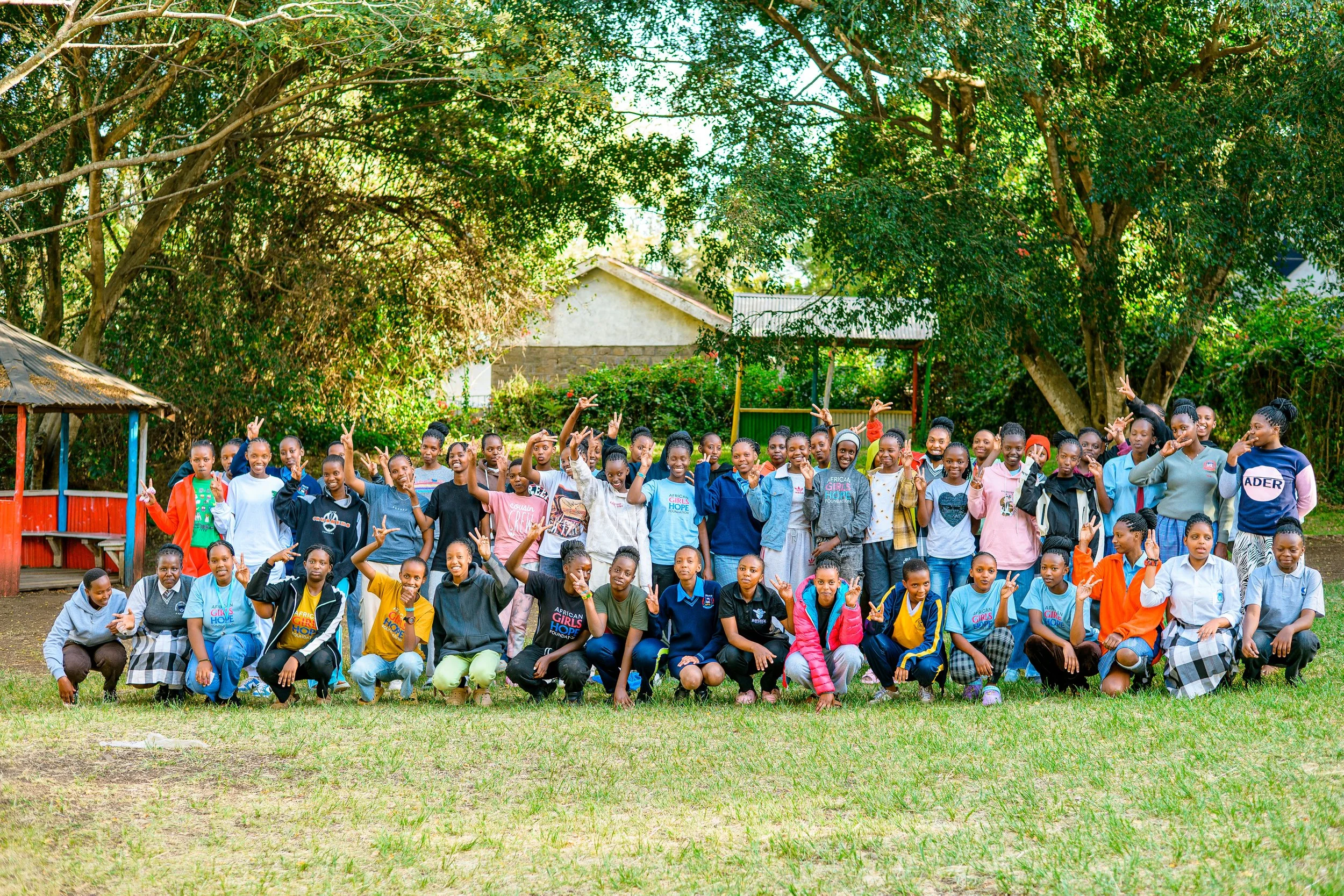
AGHF supporting refugee and orphan girls in high school. Keeping girls in school until they graduate from high school is a major focus of AGHF.
You Can Help Protect a Girl’s Future
When you support AGHF, you support more than education; you give a girl the power to choose her future. Your donation can help pay for school fees, uniforms, books, or transportation that keeps a girl in school and out of early marriage.
by Paulina

Champions of girl’s education!